Eight products, shipped in the last few months.
Each one started with a customer problem worth solving. Here’s the problem, what I built, and what it looks like.
i12s
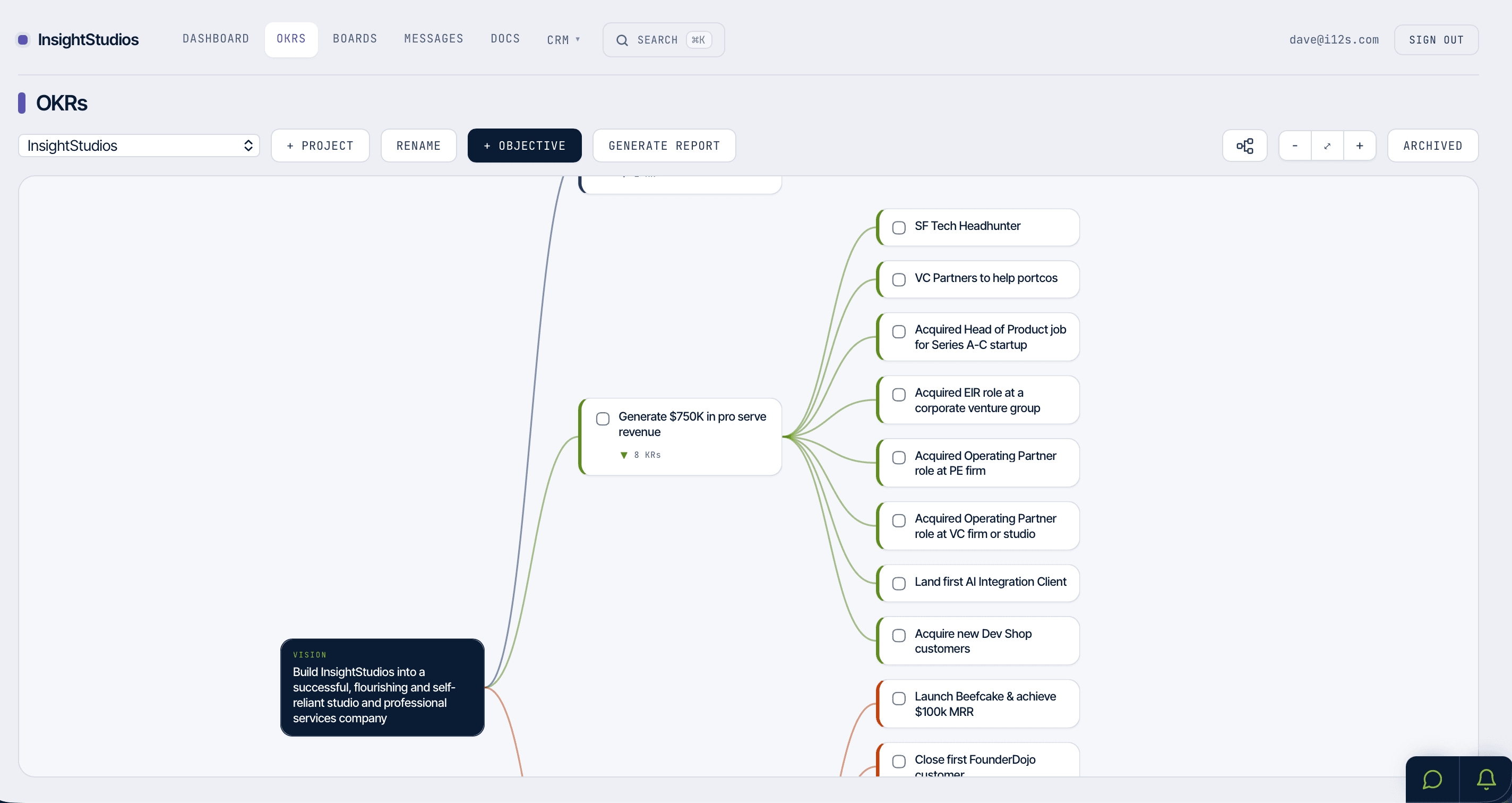
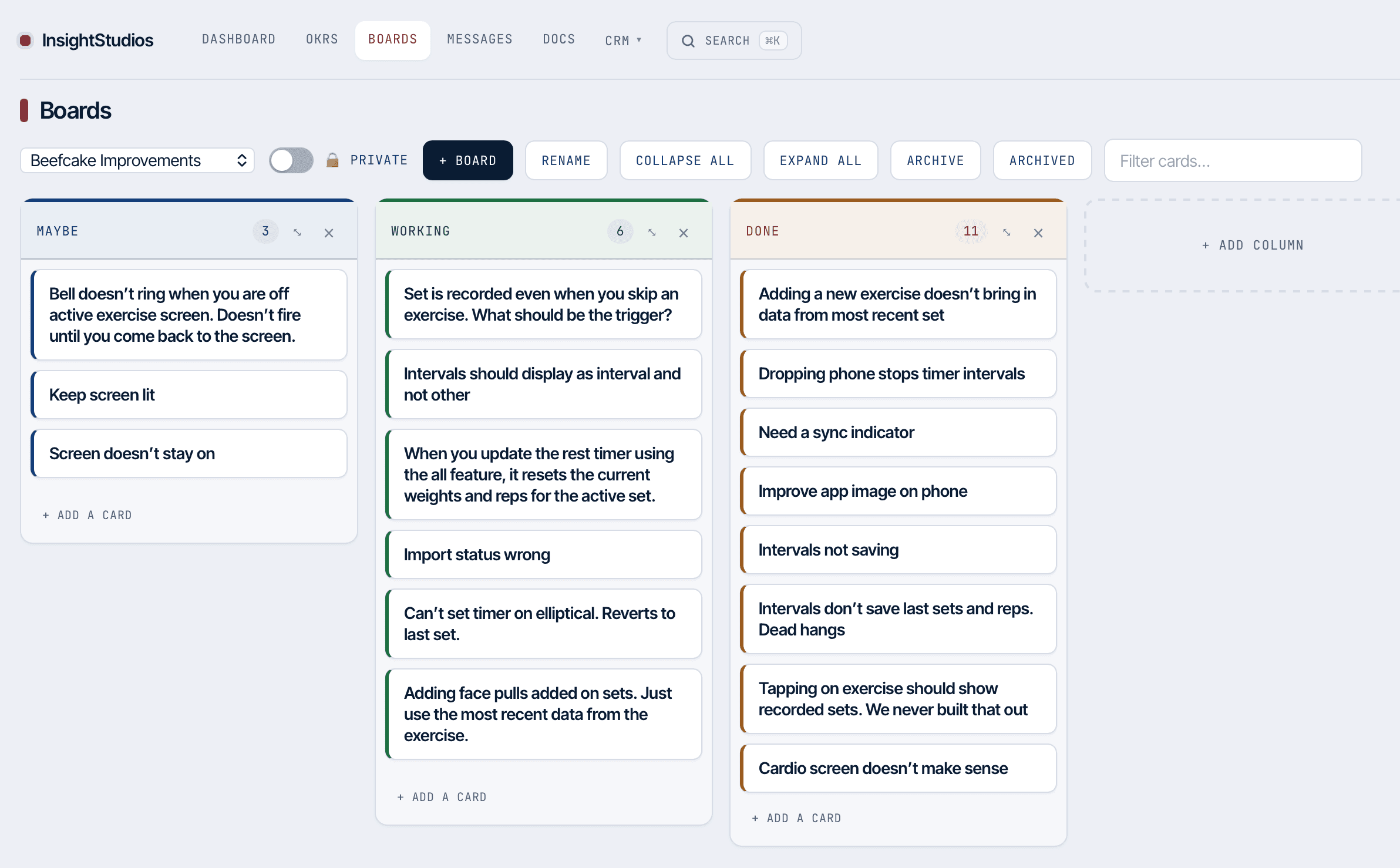
A startup studio runs several ventures at once, and the work lived in six disconnected tools. Quarterly goals, the projects meant to hit them, the customer pipeline and the follow-up email never shared a source of truth — so the team spent the week reconciling instead of building.
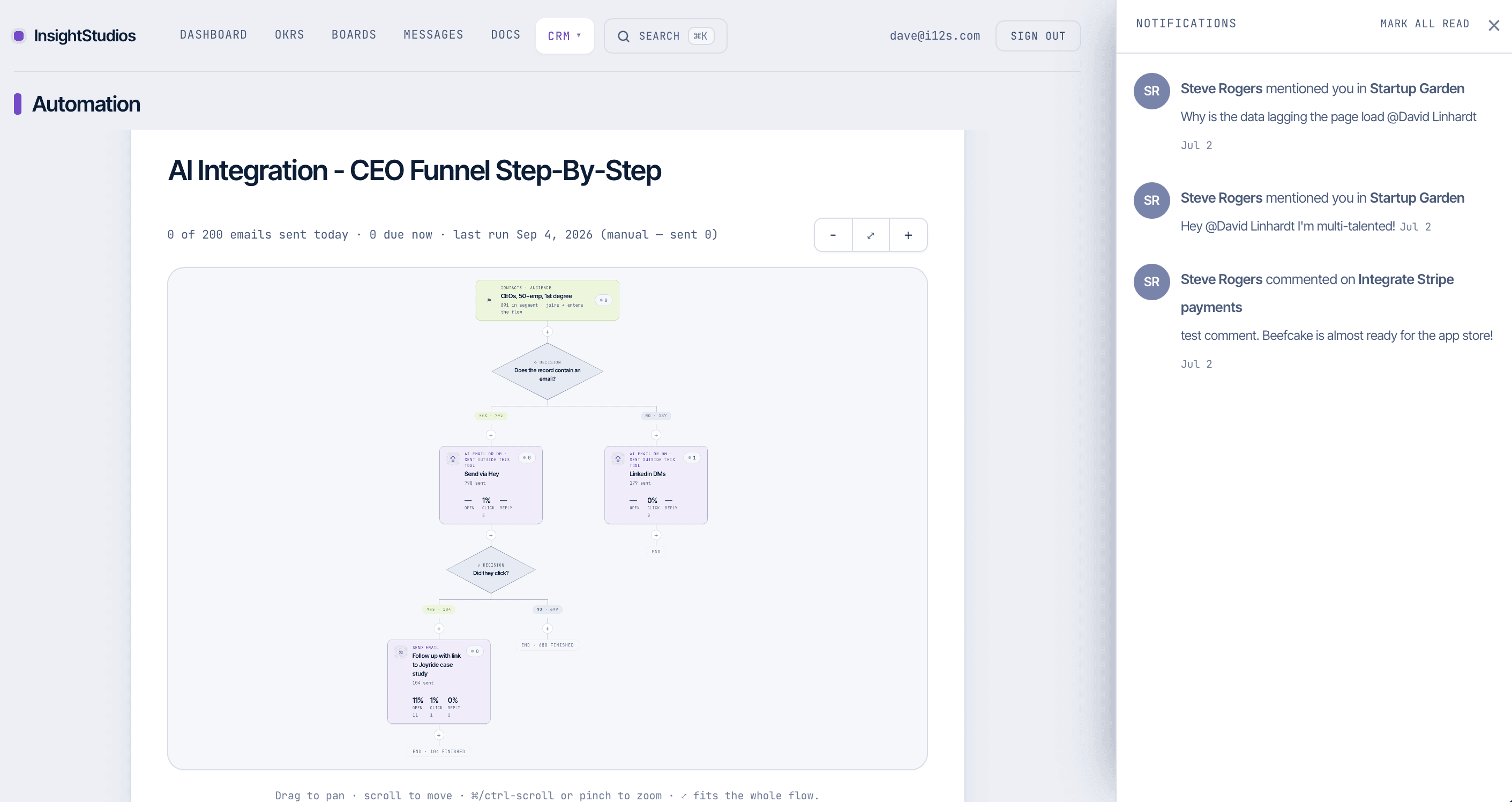
One operating system for the studio. OKRs cascade into projects and tasks; every contact in the CRM ties back to the initiative it serves; and email sequences fire from pipeline stages automatically. The status of any venture is one screen.
FounderDojo
Most founders never reach product-market fit because they guess. The lean-startup program I taught worked — it was rated #1 in the world — but a course only reaches the people in the room, and the method is lost the moment they leave.
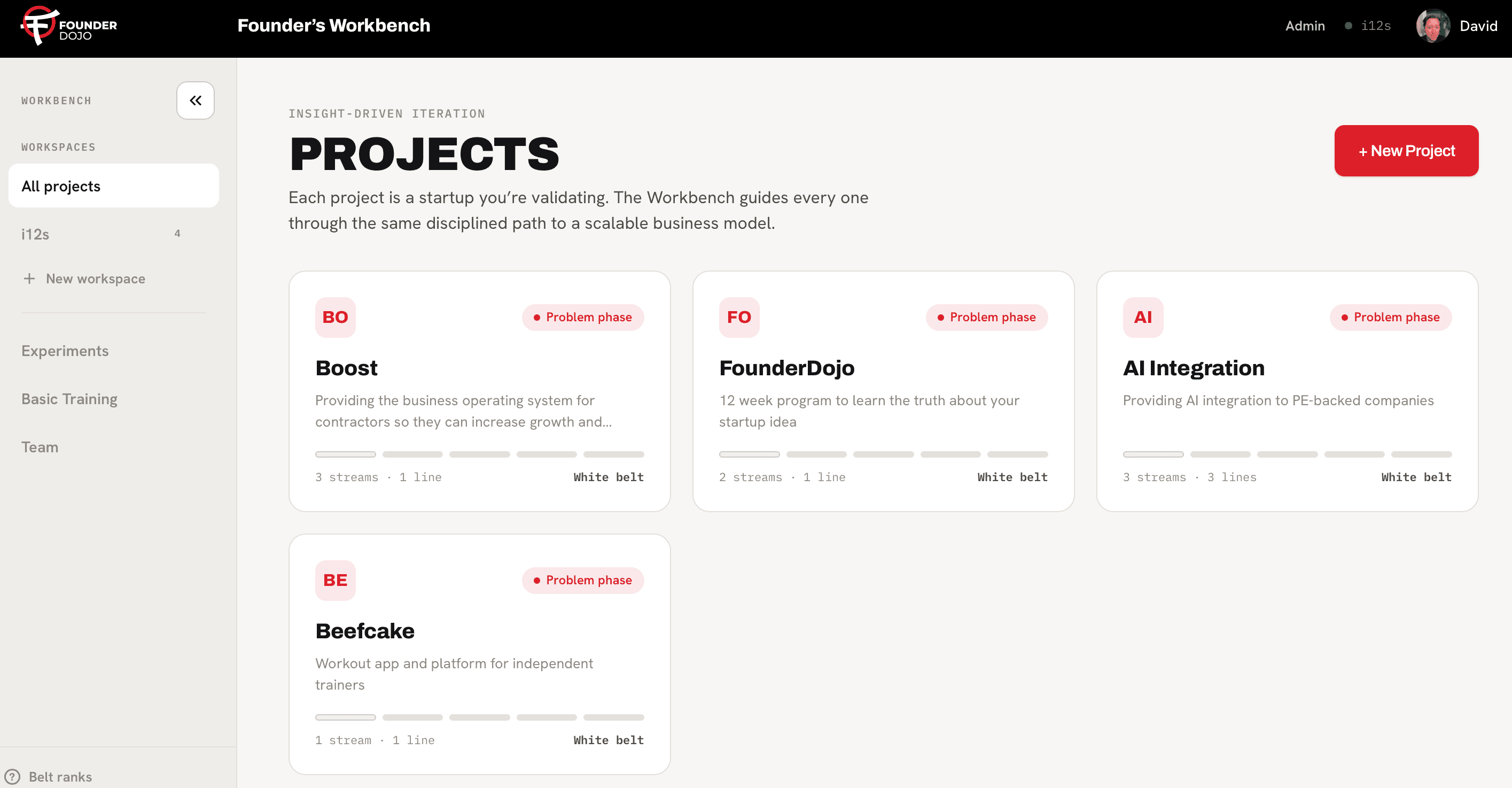
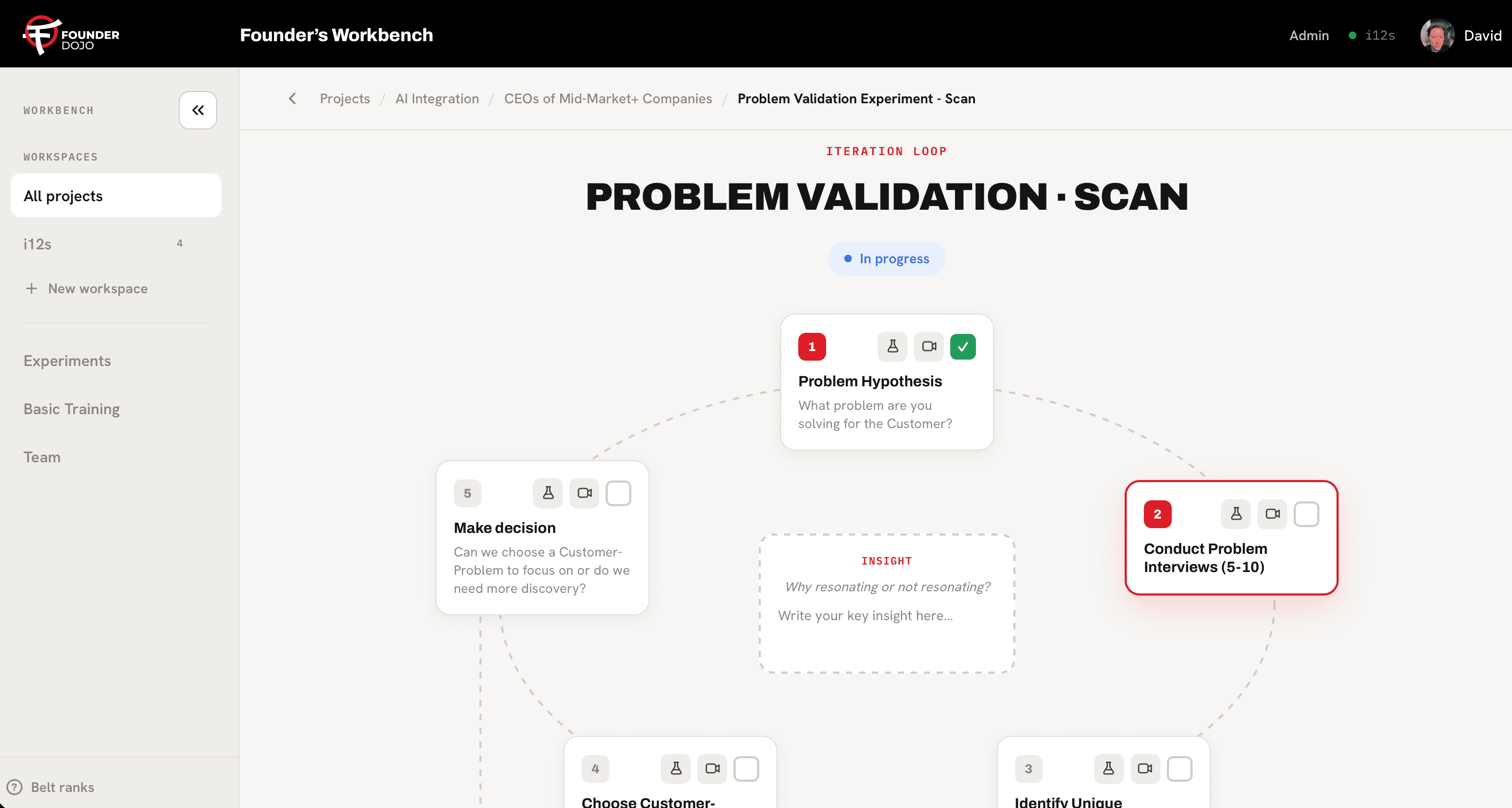
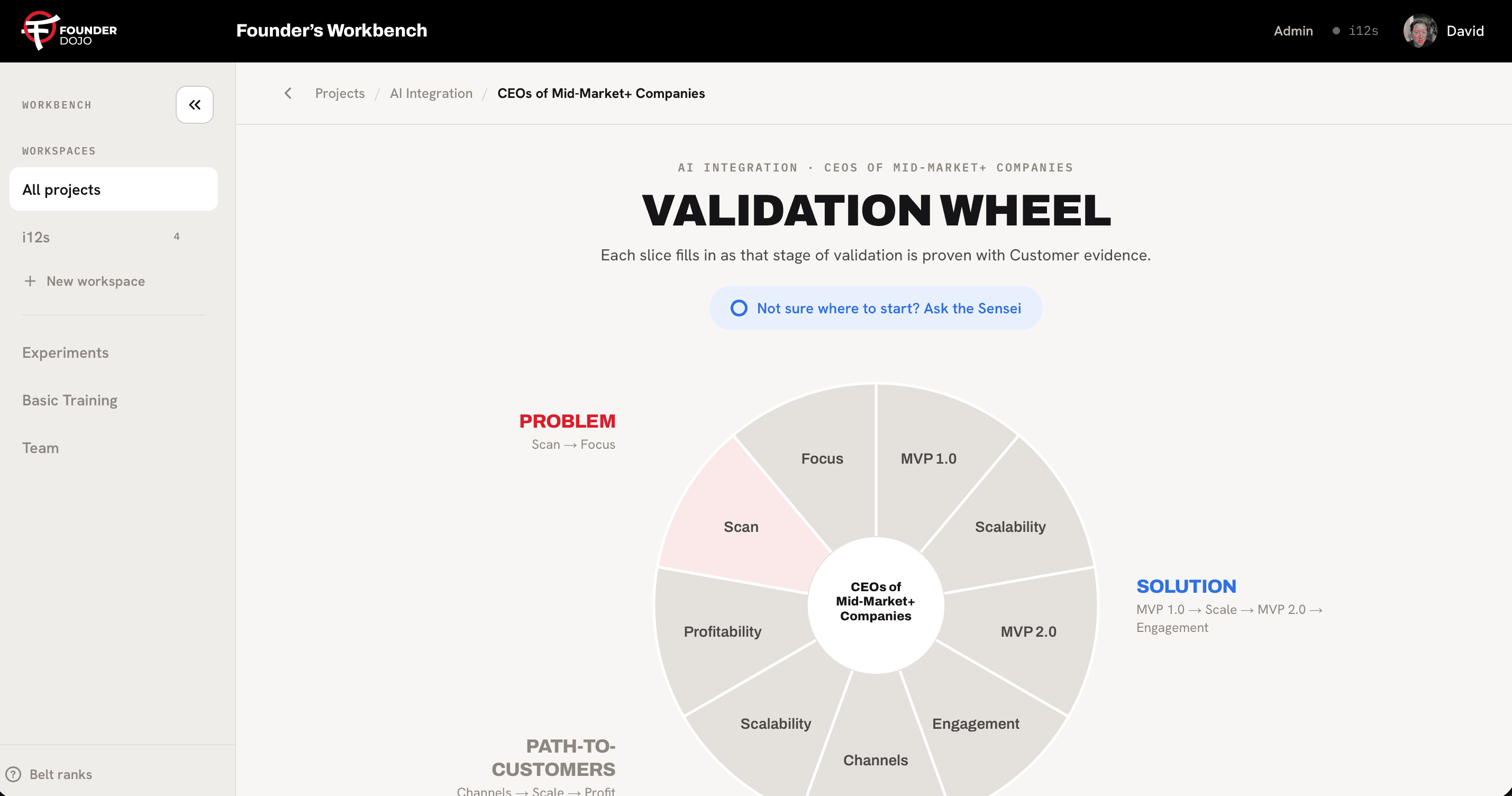
The program rebuilt as software. The Founder's Workbench runs every project through Insight-Driven Iteration: each customer line states the customer, problem, today's solution and the new one, and a validation wheel fills in slice by slice — Scan to Focus, MVP to Scale, Channels to Profit — only as customer evidence proves it.
Boost
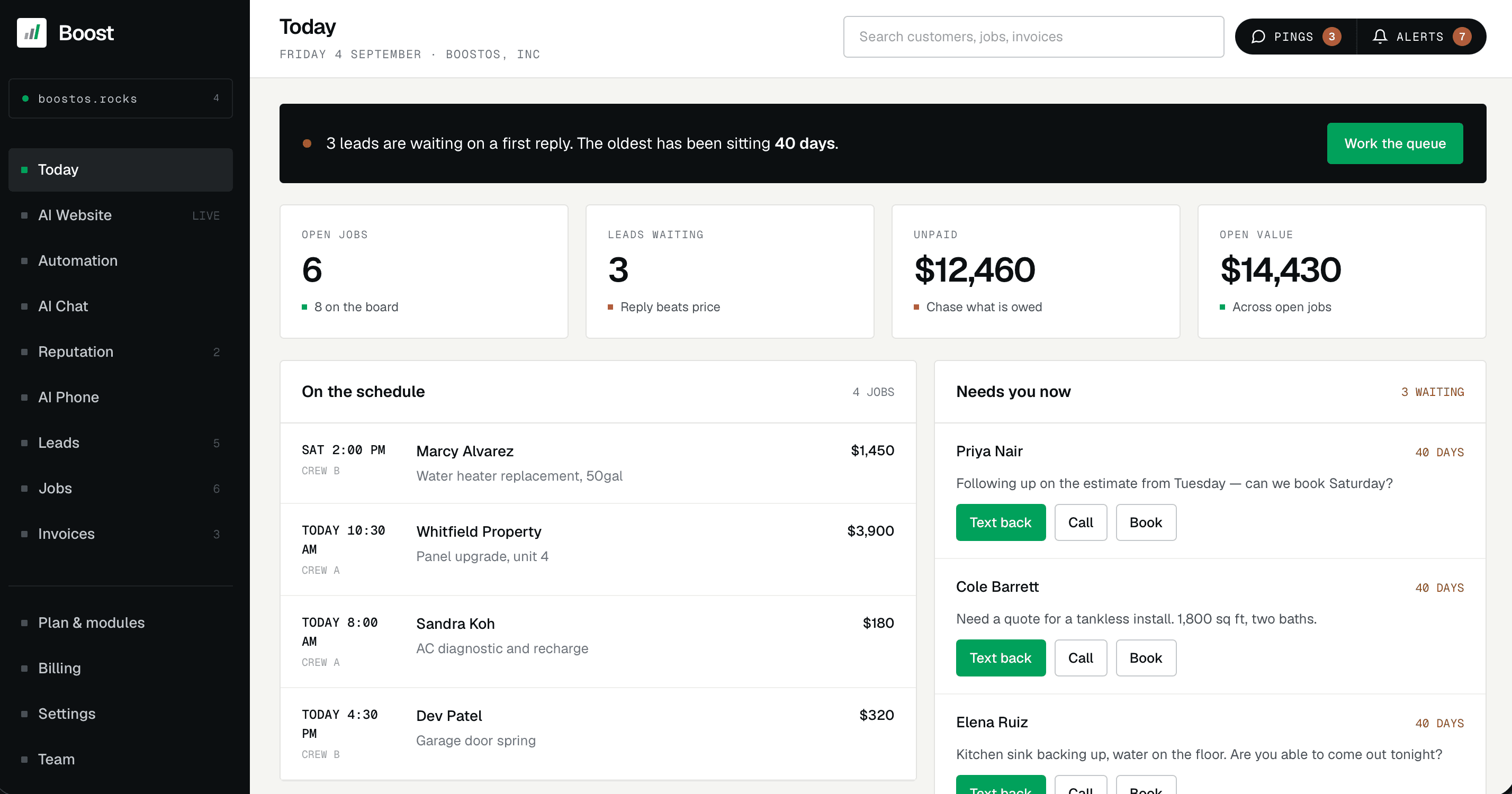
A plumber or electrician runs the business from a truck. Leads come in by text, chat and phone and sit unanswered for days; the website is a brochure nobody updates; jobs, invoices and reviews live in four different apps. The marketing tools that would fix it are built and priced for marketing teams.
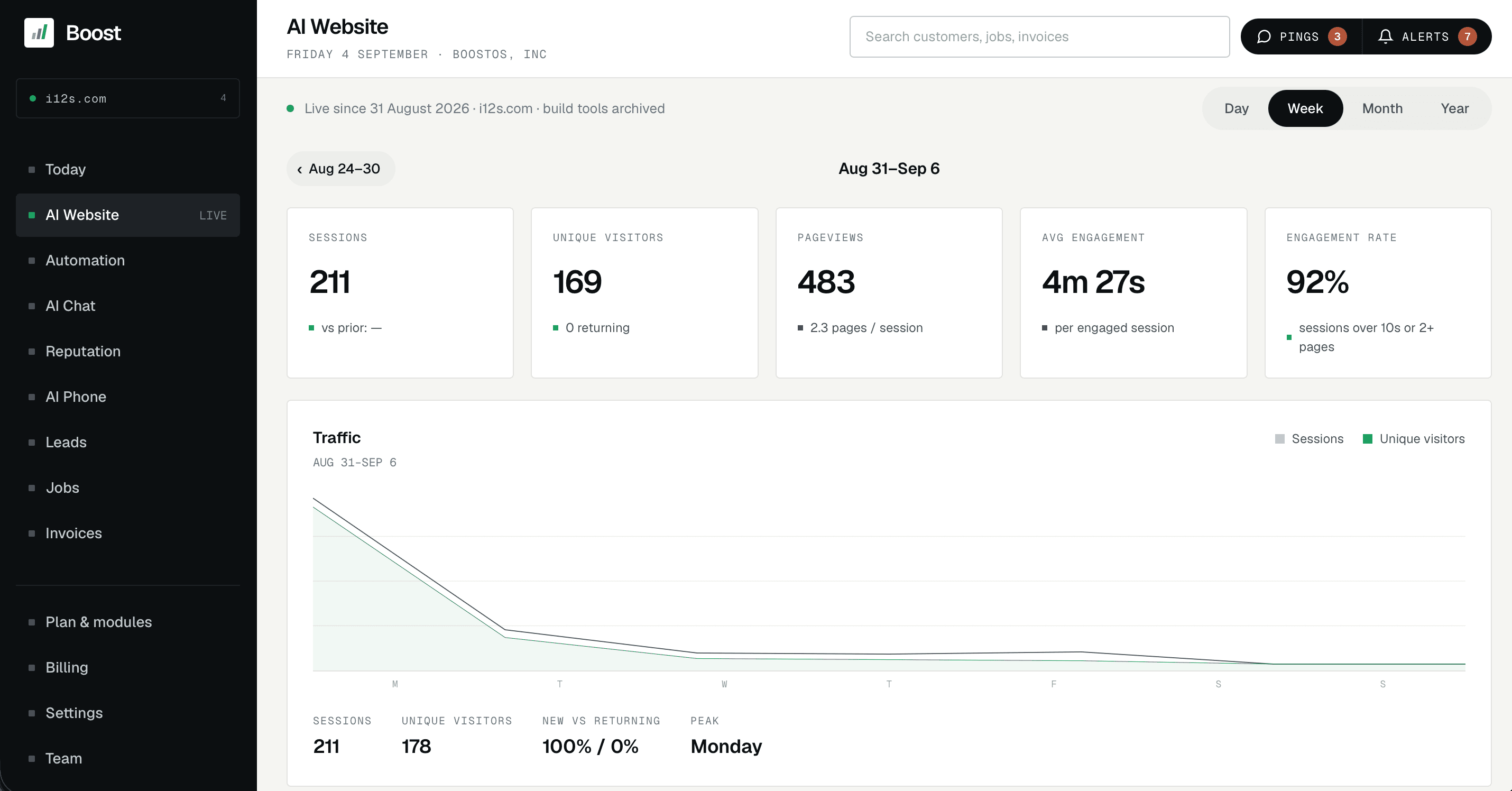
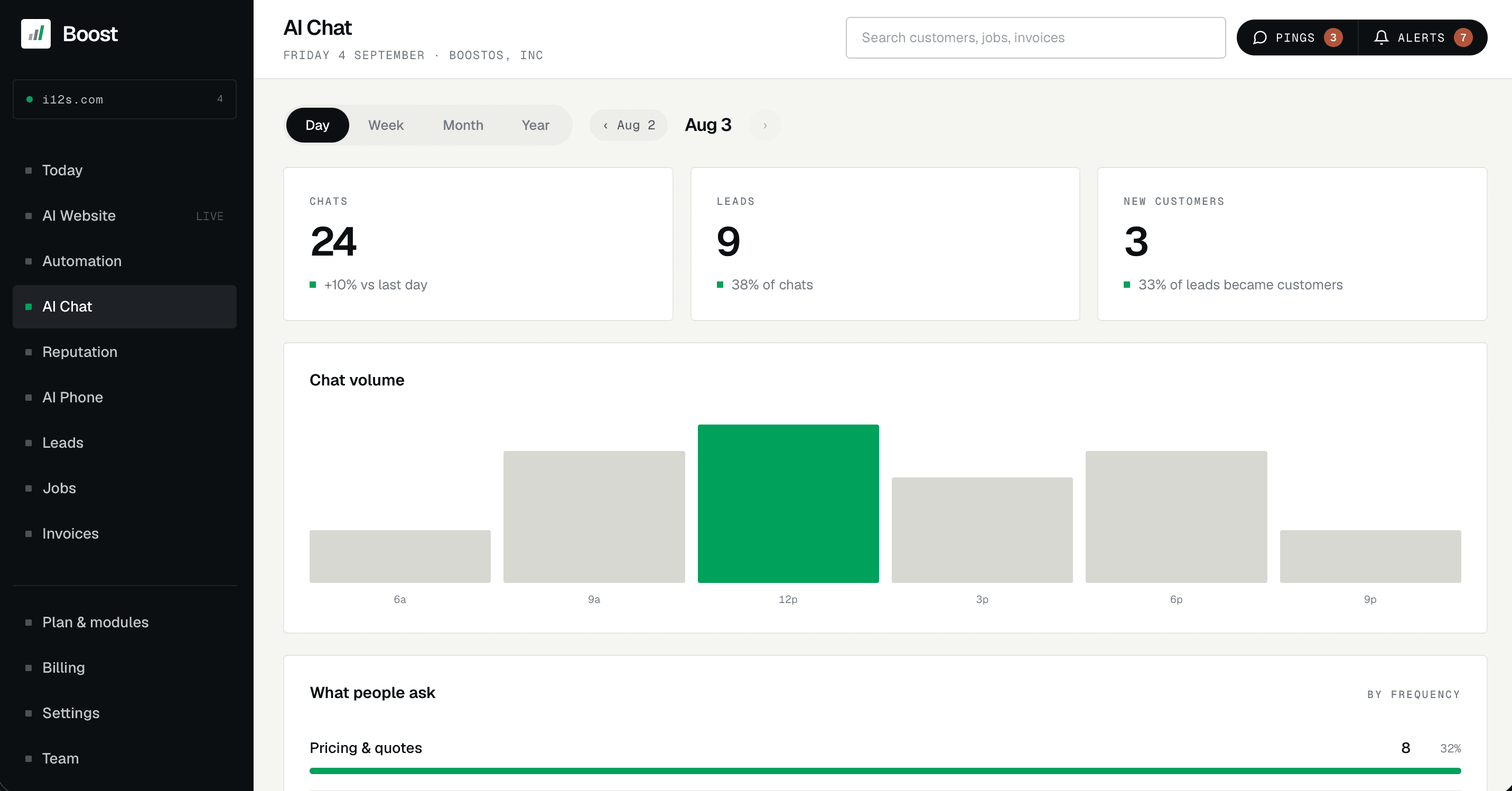
Boost is the operating system for a home-services business. An AI website that's live in a day, AI chat and phone that answer and qualify leads around the clock, automation that follows up, and jobs, invoices and reputation in one place. The Today screen says what needs you now, and nothing else.
DaveLinhardt.com
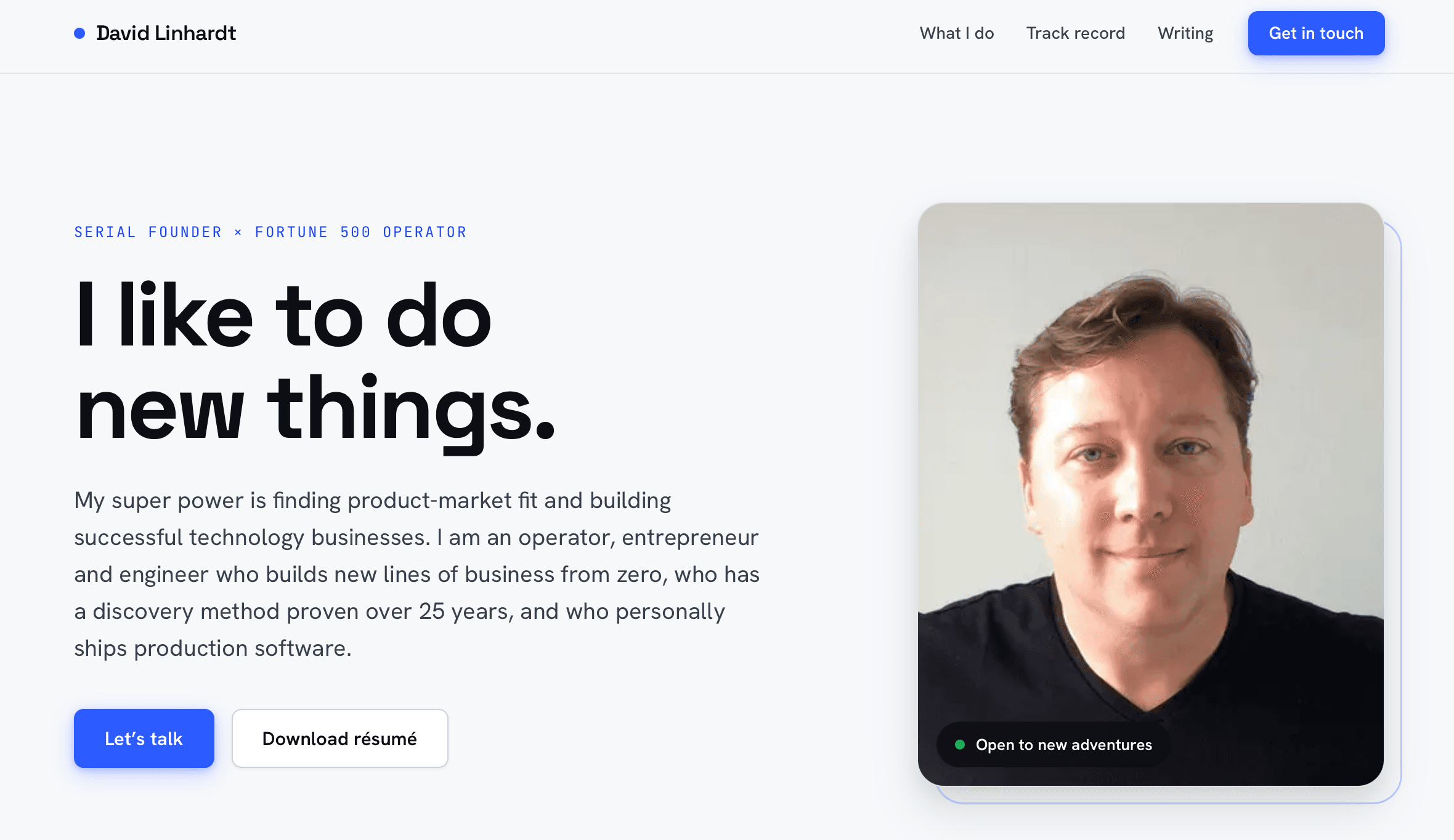
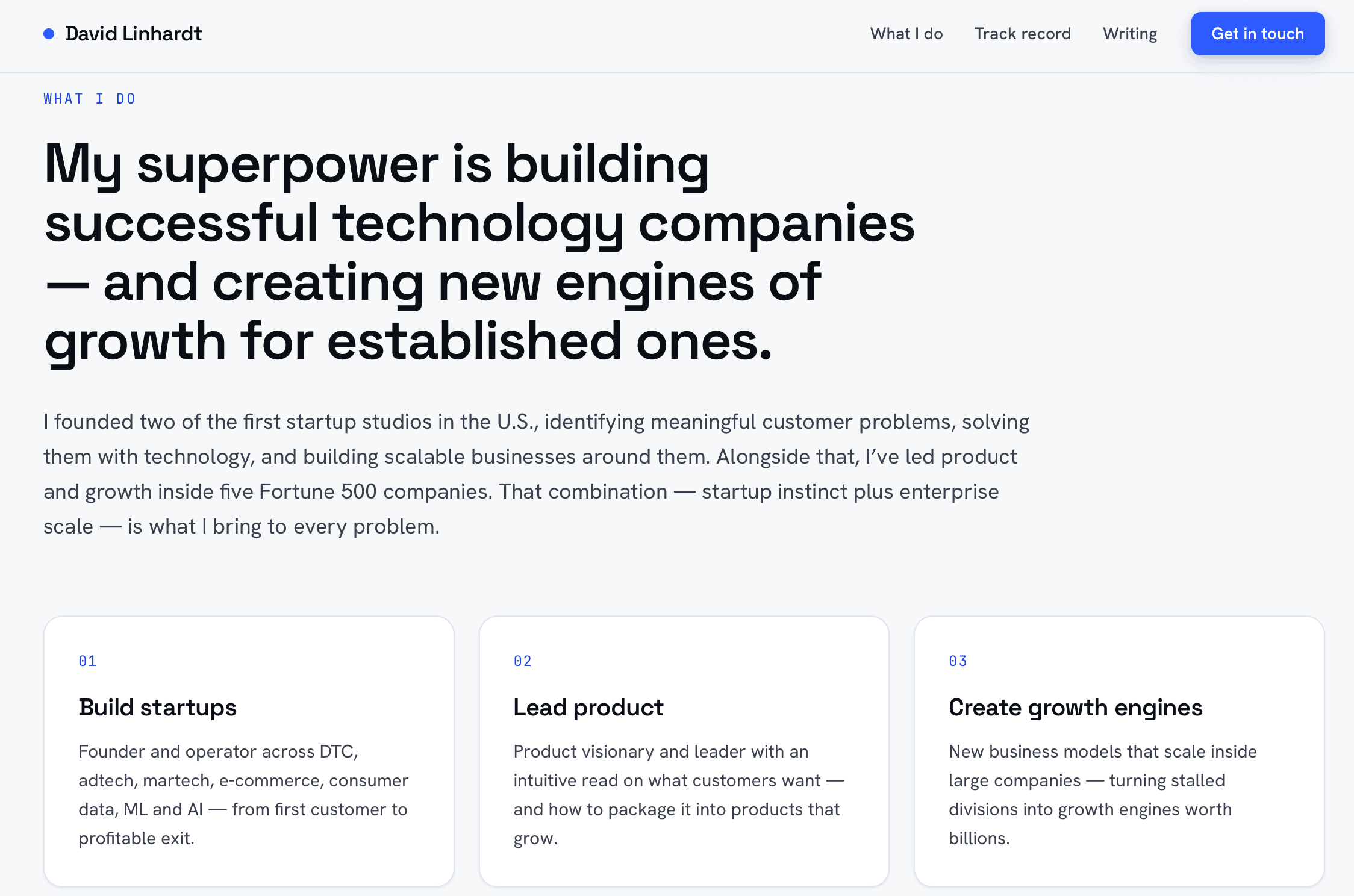
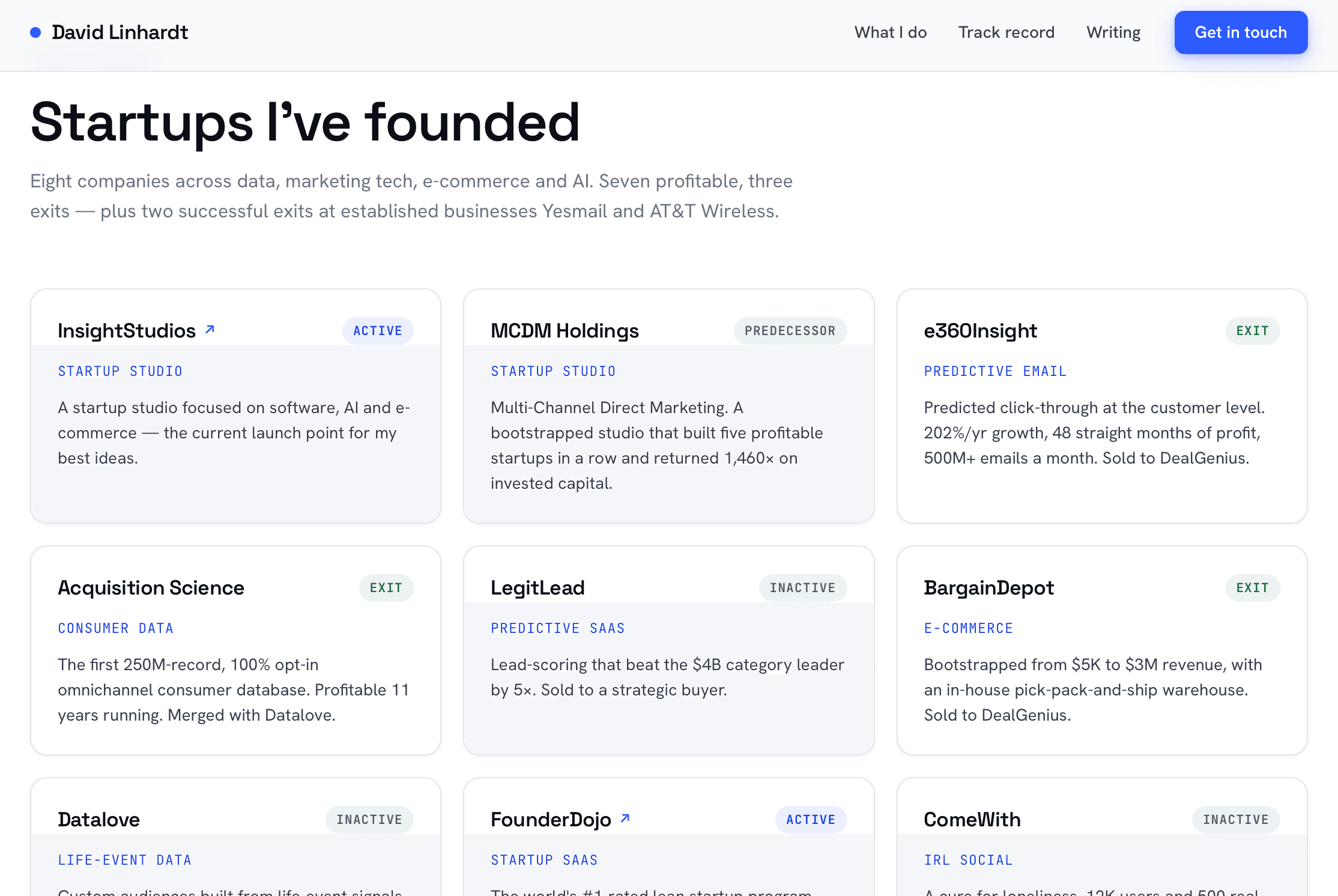
Twenty-five years of companies, roles and writing, and the site that represented them was a template that hadn't changed in a decade. It said nothing about how I work, and nothing on it was mine to build on.
Designed and built from scratch on a small design system: a Next.js site with the track record as the centerpiece, a contact path that actually reaches me, and a private journal living under the same roof.
Personal Journal
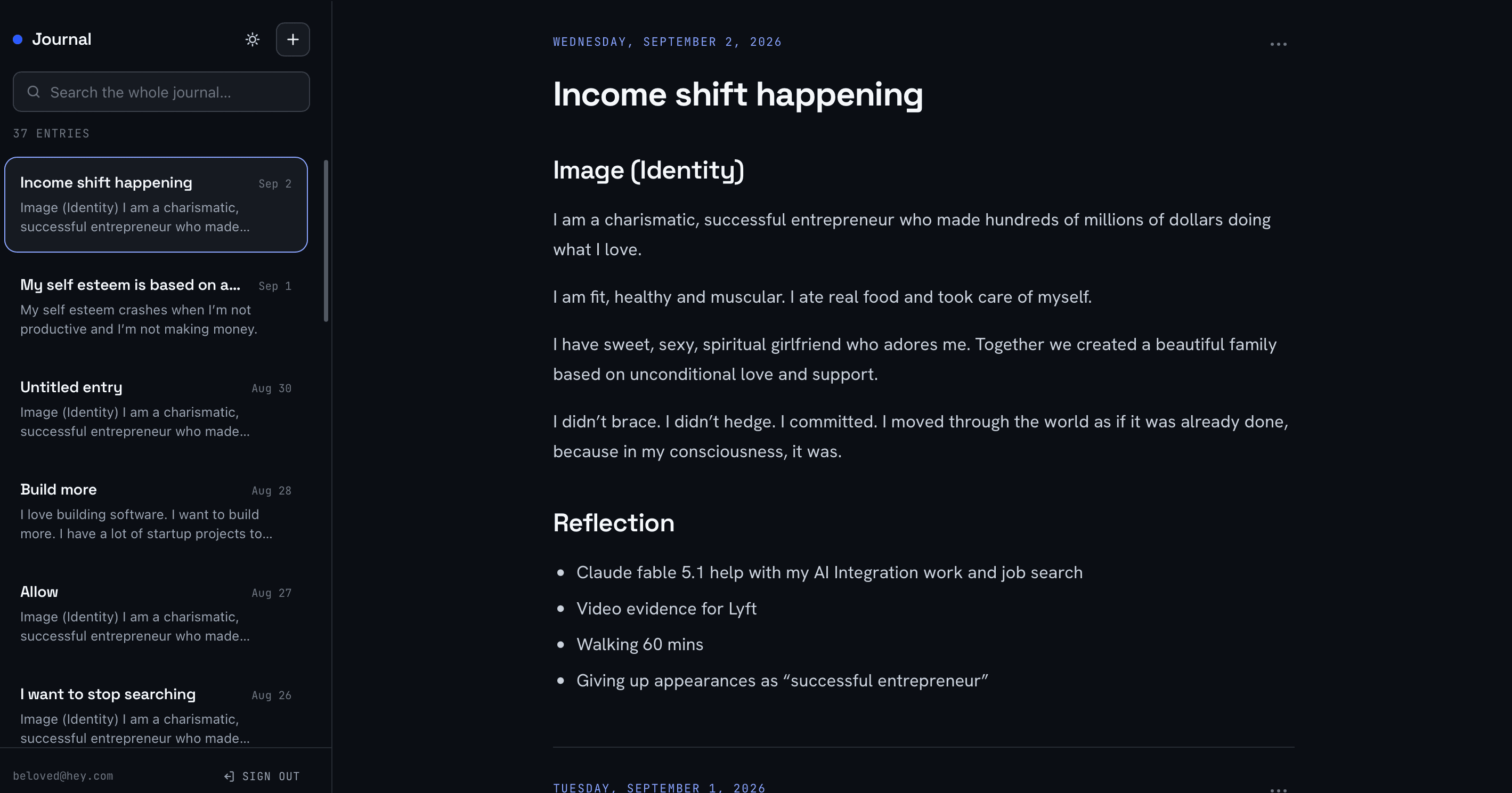
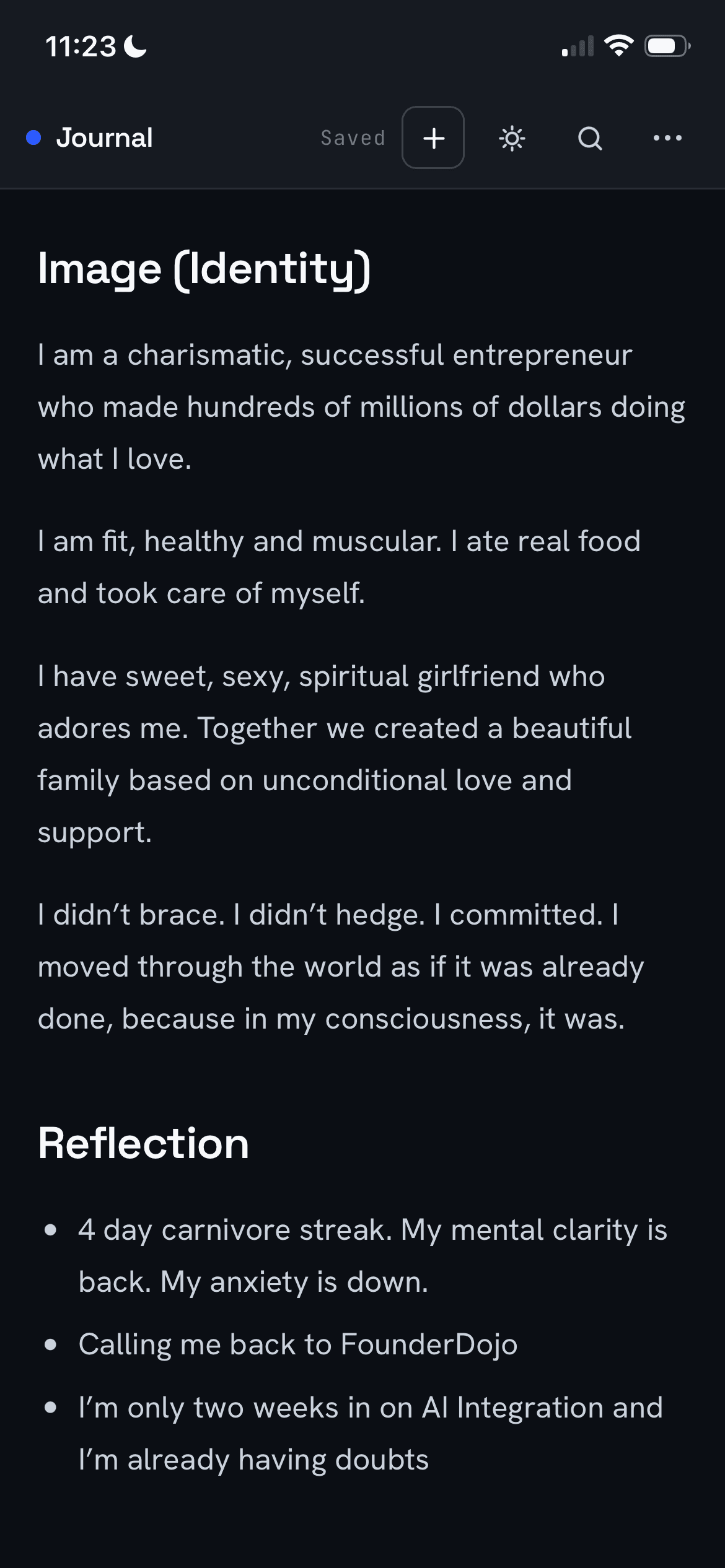
Journaling apps are either heavy — accounts, sync plans, features I'll never touch — or they're a notes app that turns a daily practice into a search problem. And in every case the writing lives on someone else's servers.
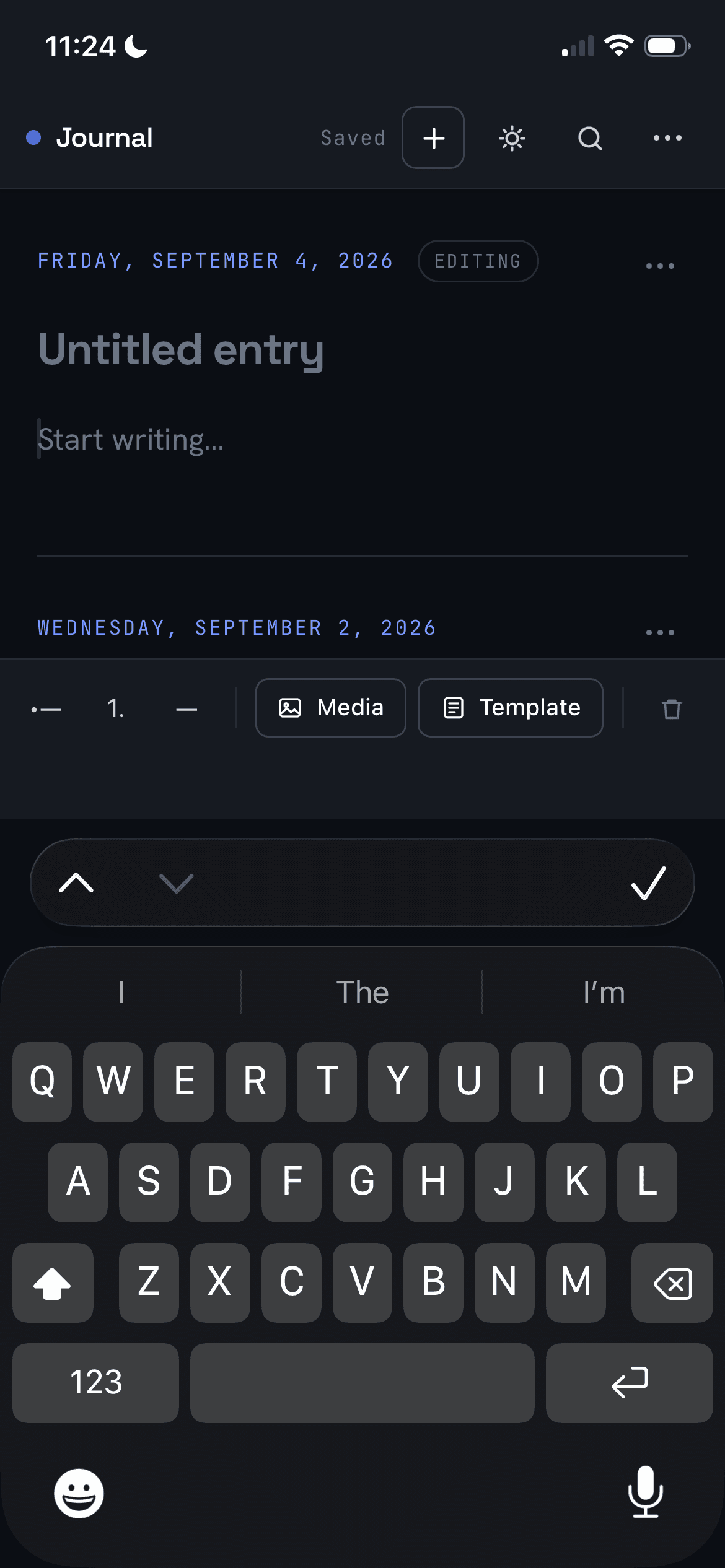
A single feed of entries, newest first, that autosaves as you type. Templates for the recurring formats, a format bar that stays out of the way, pull to refresh, light and dark — installed on the home screen so it opens like a native app and stores everything on my own site.
Beefcake
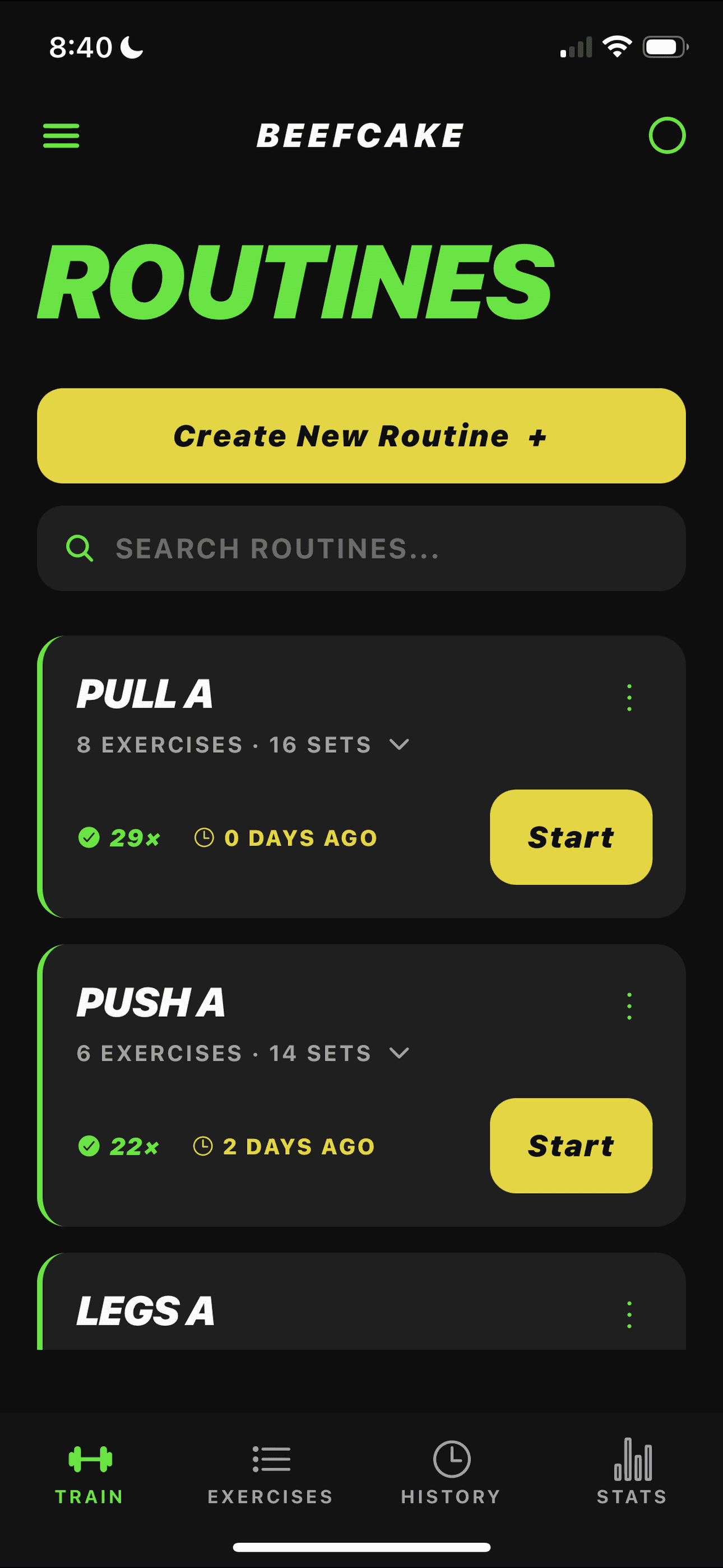
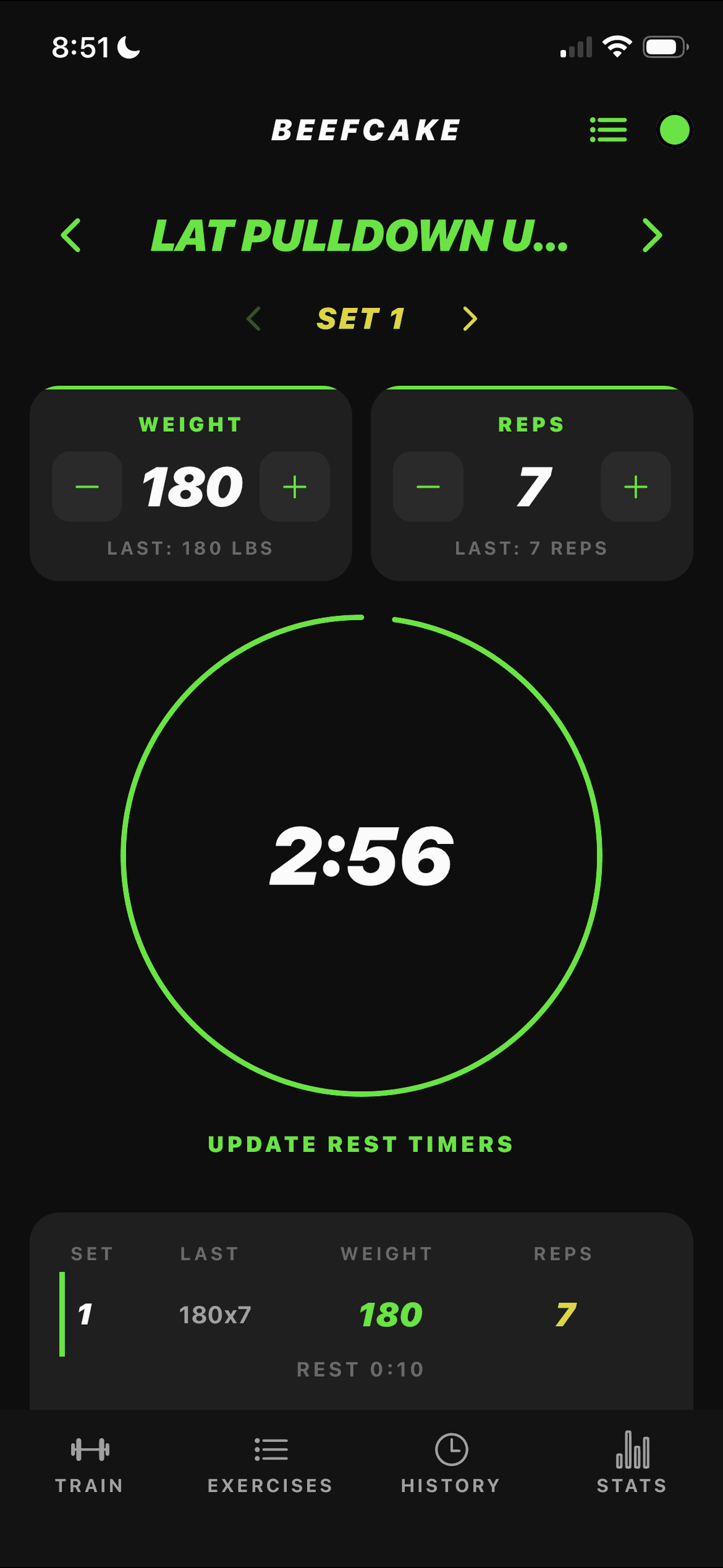
Logging a set should take two taps. Workout apps bury it under programs, social feeds, streaks and subscriptions — so between sets you're navigating instead of resting, and half the time you stop logging altogether.
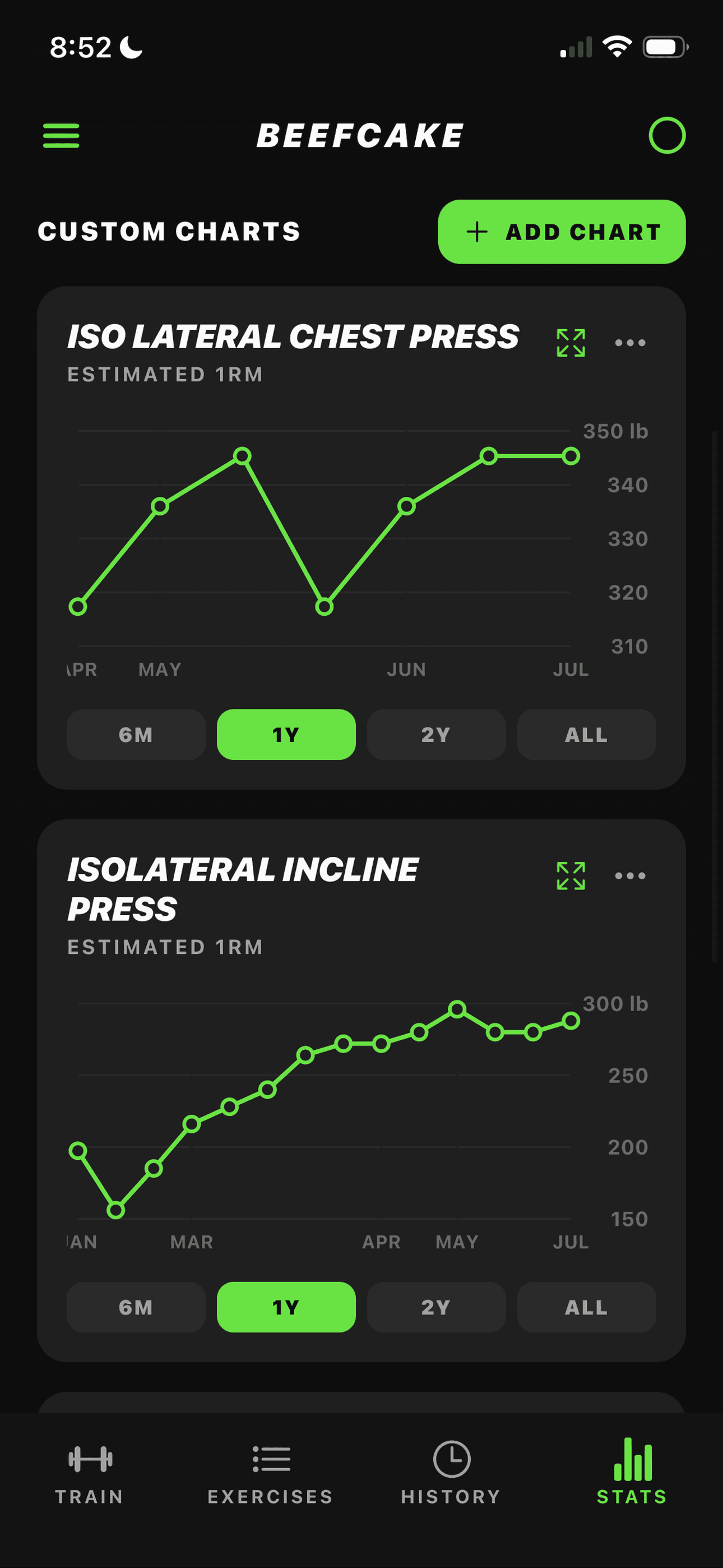
A simple, elegant way to track workouts. Pick a routine and start; each set shows weight and reps with last time's numbers right beneath them, and a rest timer runs the moment you log. Estimated 1RM charts per exercise show the progress. Shipped to the App Store.
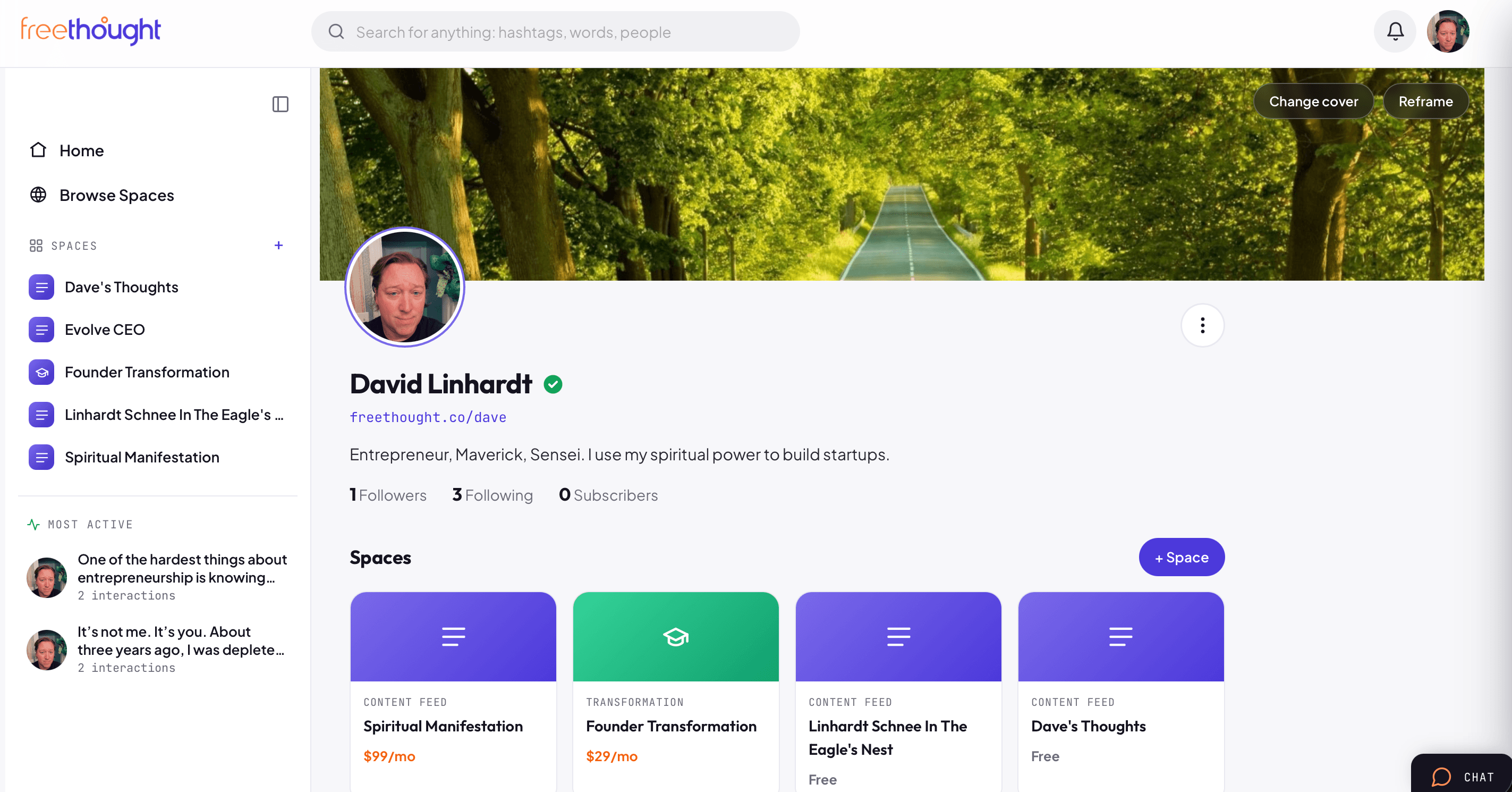
Freethought
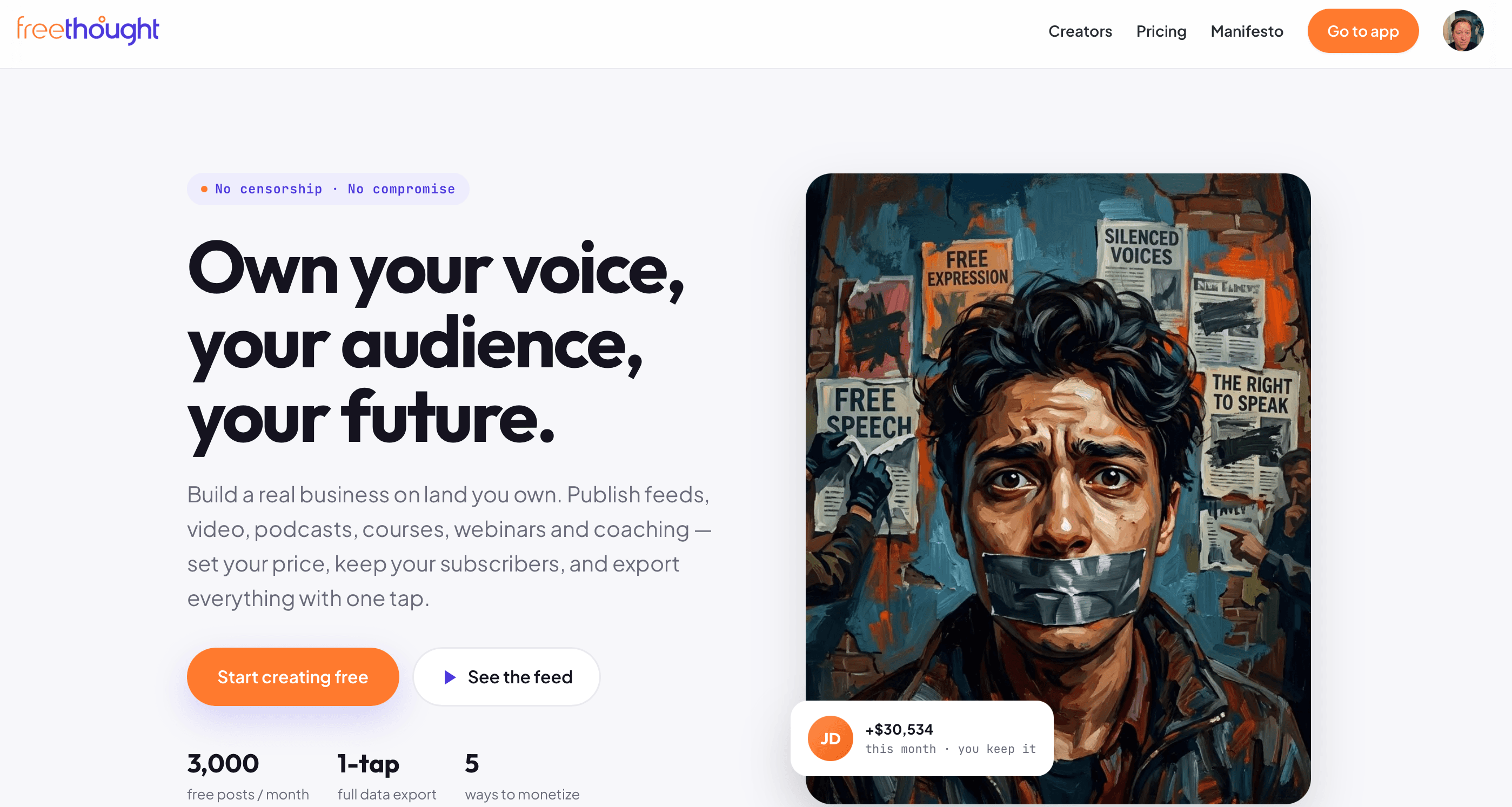
Creators build an audience on platforms that can demonetize, throttle or remove them without notice — and take a large cut in the meantime. The people who write and speak freely have the least secure income of all.
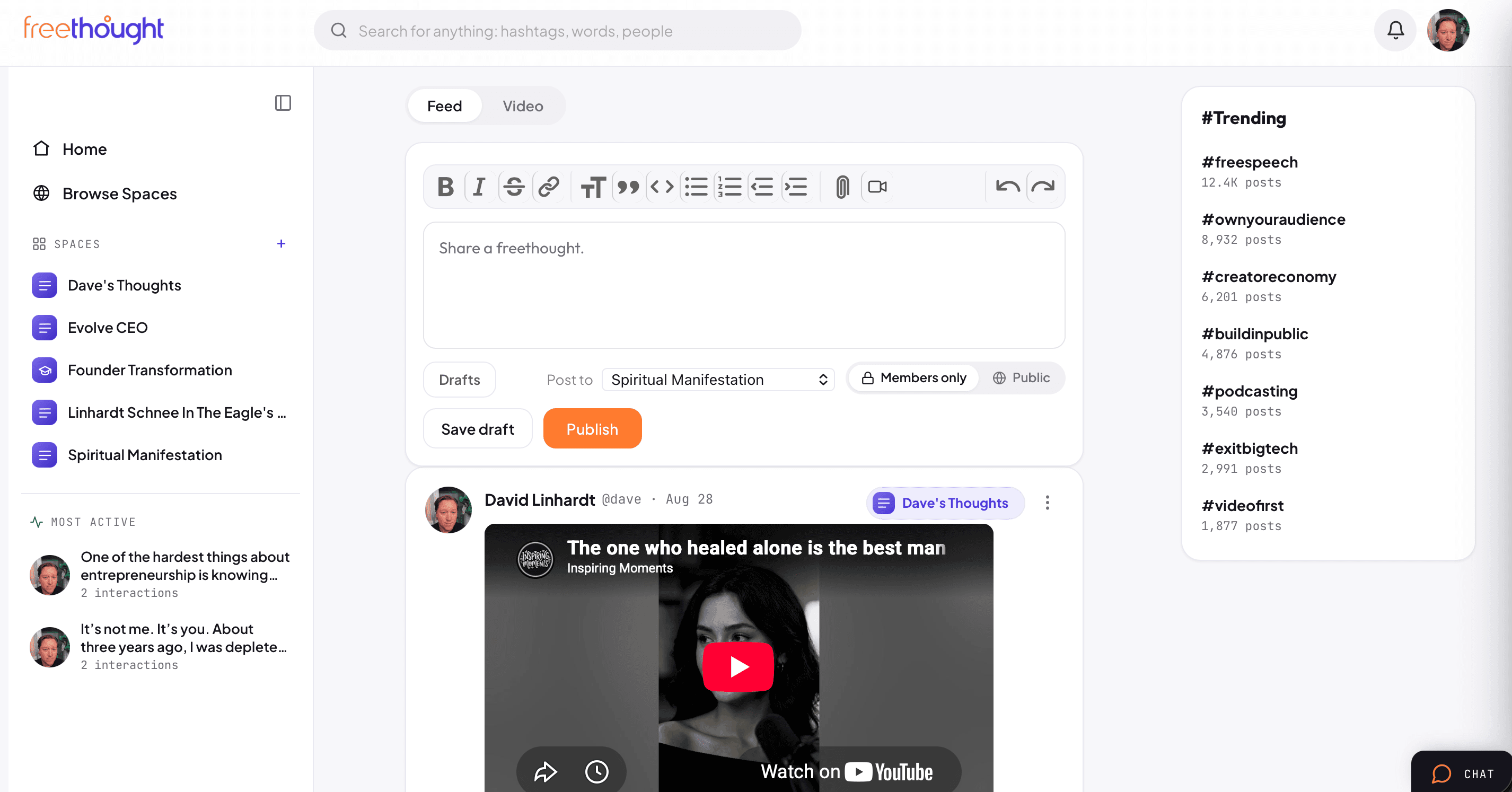
Land the creator owns. Publish feeds, video, podcasts, courses and coaching into Spaces you price yourself — free or paid — and keep your subscribers. No censorship, and everything exports with one tap, so the audience belongs to you, not the platform.
Joyride
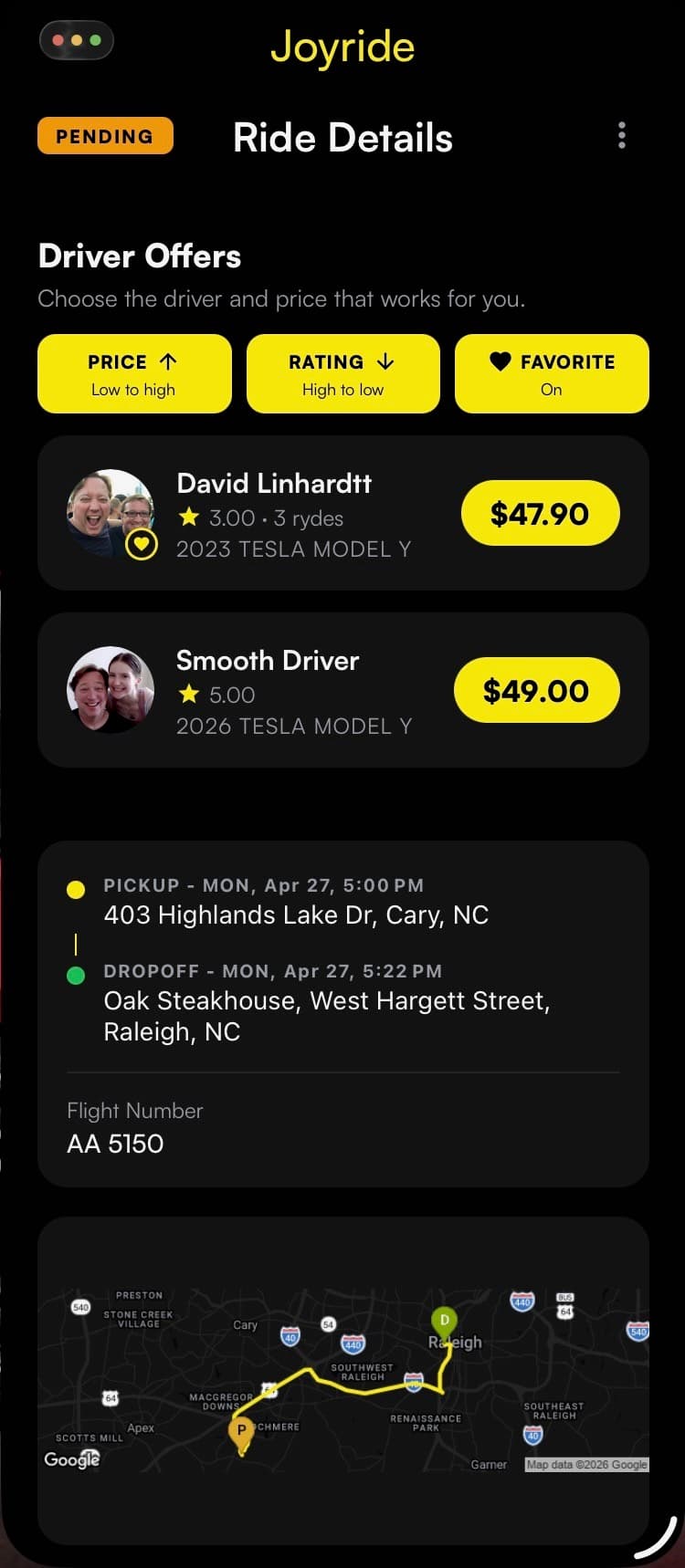
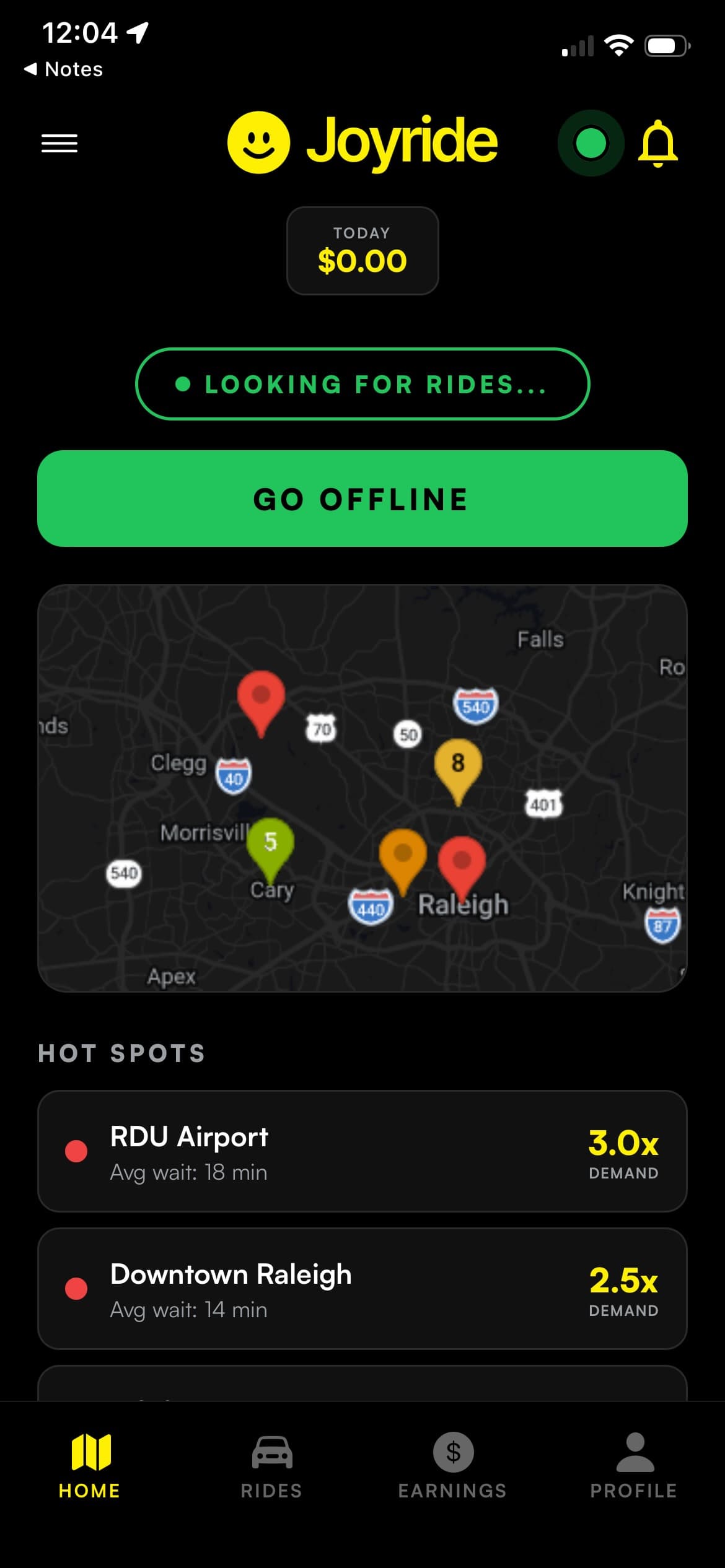
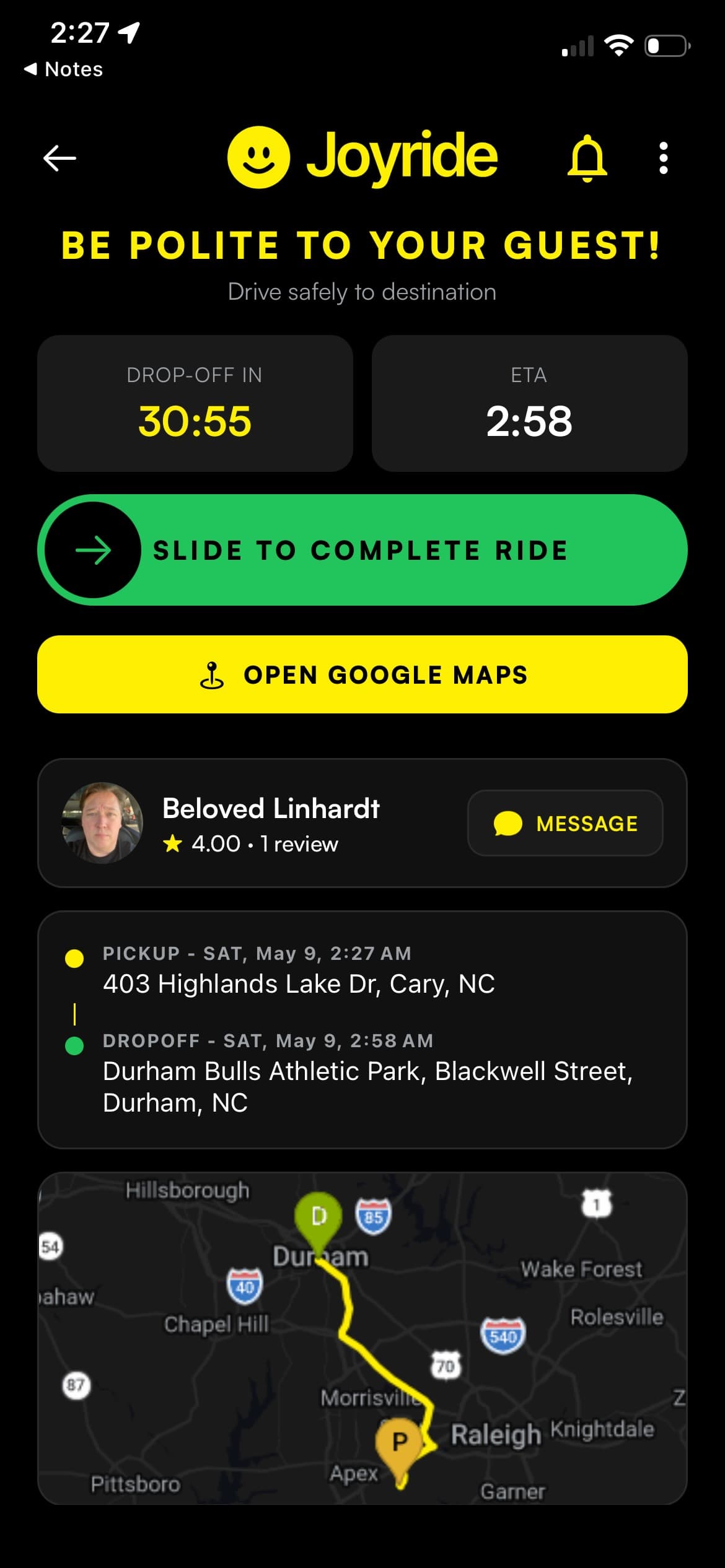
Rideshare drivers do all the work and give up a third or more of every fare to the platform. The best drivers leave, the riders who'd pay for a better experience can't find one, and the incentives never line up.
A new model: drivers keep 100% of the fare and pay a flat membership instead. Drivers name their price and riders choose the driver — by price, rating or favorite — so the professionals win the work, premium riders get the safe, consistent ride they'll pay for, and the platform grows with its drivers rather than off them.
Have a problem worth solving?
I build alongside a team of entrepreneurs at InsightStudios. If you’re a founder or an operator with something stuck, let’s talk.